A Record in Handling the m/v “World Champion”, or How Dispatch “Swallowed” the Freight
As part of the project “Incredible Port”
The failure of Nikita Khrushchev’s agricultural reforms and several consecutive dry seasons in the main grain-producing regions of the USSR led to a sharp decline in food grain production. Once again, millions of people faced the threat of food shortages. Under these circumstances, the Soviet government was forced to begin large-scale food purchases abroad.
Starting in the autumn of 1963, caravans of grain-loaded vessels sailed from the ports of the United States and Canada toward the Black Sea.
The Ministry of the Merchant Fleet strongly encouraged initiatives aimed at speeding up the handling of grain carriers. However, long queues of dry cargo ships and tankers formed at the roadsteads of Black Sea ports, as there were not enough berths available. At that point, the Ministry suggested that the port workers of Odesa repeat the record set during the handling of the first American-flagged grain tanker, “Thomas M”, which had been unloaded in five days instead of eighteen.
At the end of October 1963, the dry cargo vessel “World Champion” was scheduled to arrive at the Odesa roadstead. The ship’s name was loud and memorable – perfect for a new record.
The Ministry almost issued a directive requiring the Odesa port to carry out an exemplary operation that would mark the beginning of a new all-Union initiative: early completion of grain vessel handling.
The m/v “World Champion” delivered 21,417 tons of wheat to Odesa.
“How long do you plan to unload the vessel?” the captain asked port representatives.
“About four days,” they replied.
“You must be joking. Four weeks. At best – three.”
The captain did not know that preparations for the “Champion” had been underway for nearly a month. At production meetings, specialists studied the vessel’s technical specifications. A continuous railcar supply scheme was coordinated with the “Odesa-Port” railway station. Engineers planned the simultaneous unloading of several holds using a floating grain pump (mounted on a barge), five portal cranes, and six PTS hold loaders.
Most importantly, before the vessel’s arrival, a special team was formed from the best stevedores and dock workers. Experienced engineers, stevedores, machine operators, and other specialists were assigned to the group. All were promised performance-based pay with substantial bonuses.
During the unloading operation, the port management gave the second cargo district full freedom to apply bold technical, technological, and organizational innovations, including best practices from neighboring ports.
Almost everything planned was implemented – if not 100 percent, then at least 99 percent. According to a report published in the newspaper “Odeskyi Portovyk,” the grain carrier “World Champion” was unloaded in… 71 hours. That was 22 days ahead of the established norms.
The Port of Odesa had not seen such an intense operation – or such a record – in years. News of the remarkable achievement spread through national media outlets. The workforce received a special congratulatory telegram from the Minister of the Merchant Fleet, Viktor Bakayev.
And then… a scandal erupted.
Under international maritime practice, if a vessel is handled faster than agreed, the carrier must pay the charterer a monetary reward for the time saved — known as dispatch. Since the “World Champion” was unloaded in three days instead of twenty-five, the shipowner had to pay a bonus that significantly exceeded the freight cost. In other words, the voyage to Odesa became unprofitable for the carrier.
Realizing this, the carrier urgently filed a protest with the Soviet foreign trade organization. The document clearly demanded compensation for losses and lost commercial profit. The dispute was settled in court.
The labor epic of unloading the “World Champion” remains a vivid chapter in the history of the Port of Odesa and a source of special pride for its veterans.
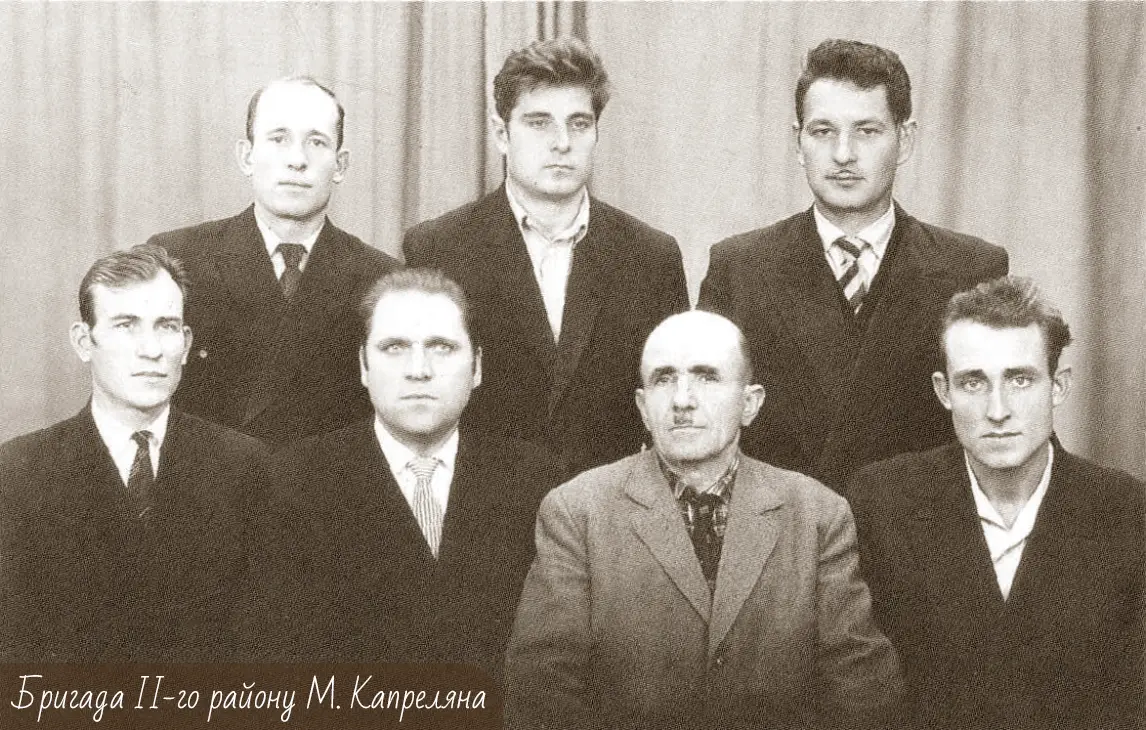
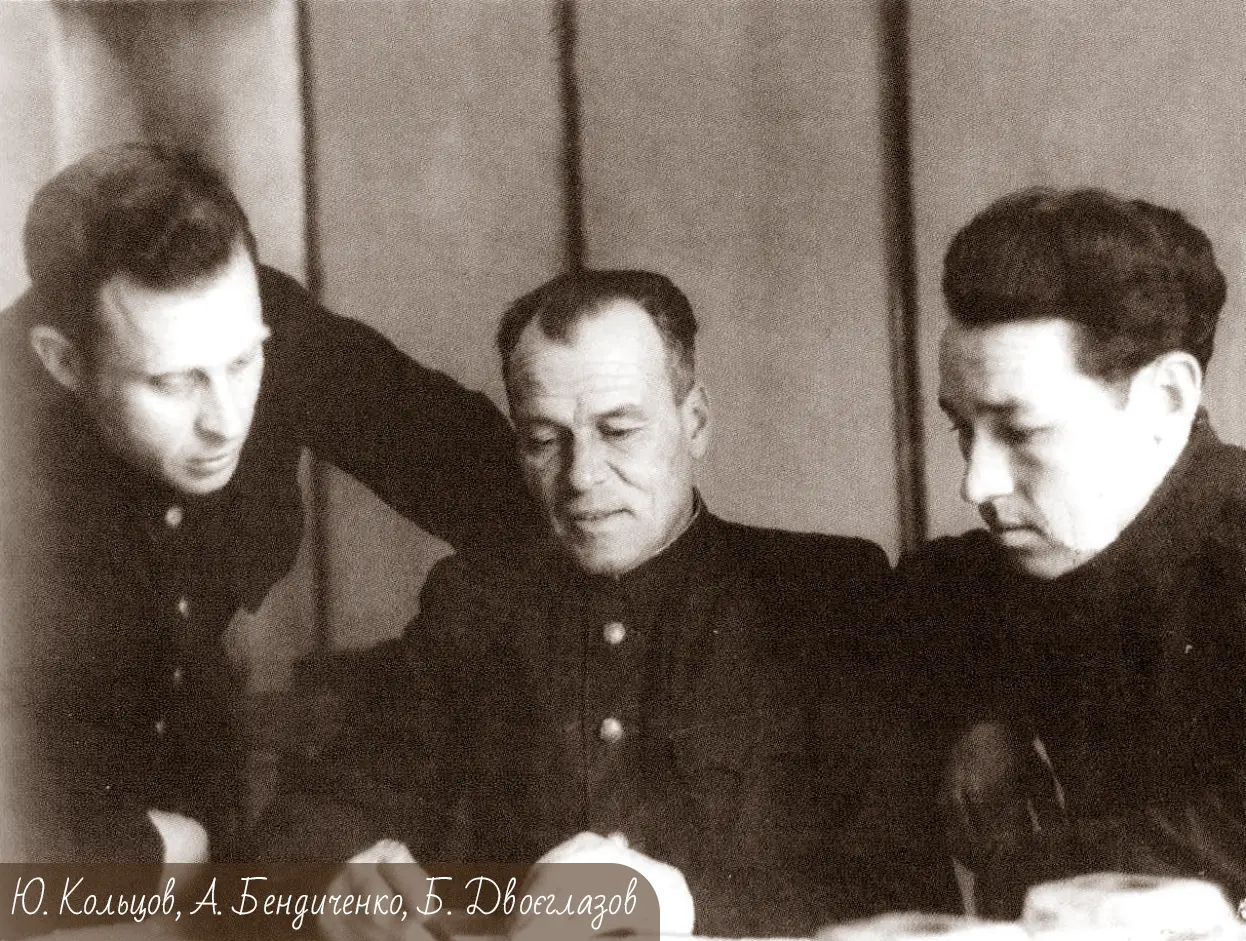
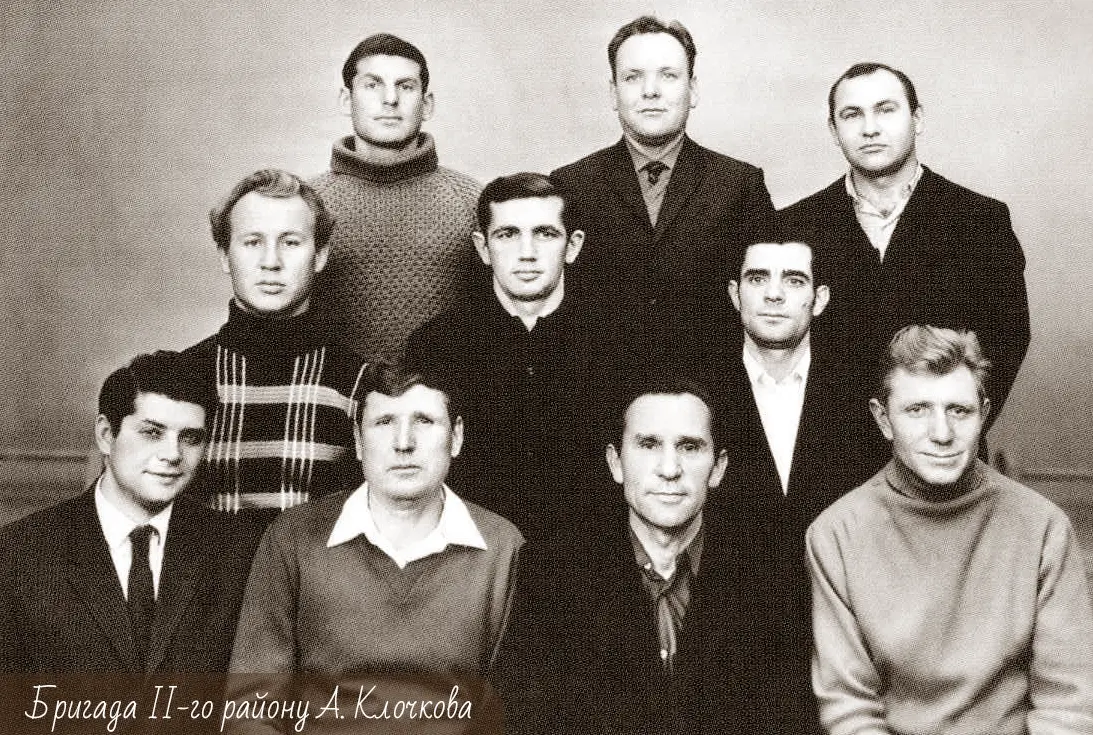
For this reason, we conclude by listing the names of those who took part in this achievement, as published at the time in “Odeskyi Portovyk”: Brigade leaders Kaprelyan, Dobrenko, Klochkov, Vilenchuk; mechanization service workers Lukash, Kochnev, Mospan, Asavalyuk, Klepko, Silin; electricians Marichev, Smirnov, Shevchenko; warehouse workers Kovalyov, Golikov, Bilanov, Kravchynska; stevedore Kantor; management of the second cargo district — Bendichenko (district head), Dvoyeglazov, Zubrytskyi, Levinzon.