April 10 — Liberation Day of Odesa: The Harbor of the Unbroken
As part of the project “Incredible Port”
1941. The occupation of Ukraine was one of the key elements of Nazi Germany’s war plans. In the south of the country, the immediate objective of enemy forces was the capture of Odesa — a major strategic, transport, and economic center of the Northern Black Sea region. A deadly threat loomed over the city.
The heart of Odesa’s defense was the Port of Odesa. It became the only vital artery supplying both the front and the city with everything they needed.
Understanding the port’s importance, the enemy subjected it to massive bombardments just one month after the outbreak of the war. On some days, up to twenty air raids were carried out, and air-raid alerts could last for hours. Yet even under such conditions, the port never ceased operations for a single moment.
In the heroic confrontation with enemy aviation and artillery, Odesa’s port workers consistently prevailed. They restored damaged berths and equipment, carried out loading and unloading operations under bombardment, and exceeded production targets by 150 percent or more.
Port workshops were quickly reorganized to meet the needs of the front. They began manufacturing parts for machine guns and mortars, and later mastered the production of company mortars. Workers repaired damaged ships, created special devices for evacuating locomotives in dry docks, and prepared containers for transporting valuable equipment.
However, it was not only machinery and weapons that passed through the berths. Every day, thousands of people waited in the port for evacuation. Passenger ships carrying civilians were escorted by boats that shielded them with dense smoke screens from enemy fire. Thanks to the efforts of sailors and port workers, about 300,000 people were evacuated from Odesa.
The port lived and worked under extremely difficult conditions. All buildings were covered with camouflage.
A blackout system made it possible to operate around the clock, while a well-established sound warning system alerted people to air threats several kilometers away.
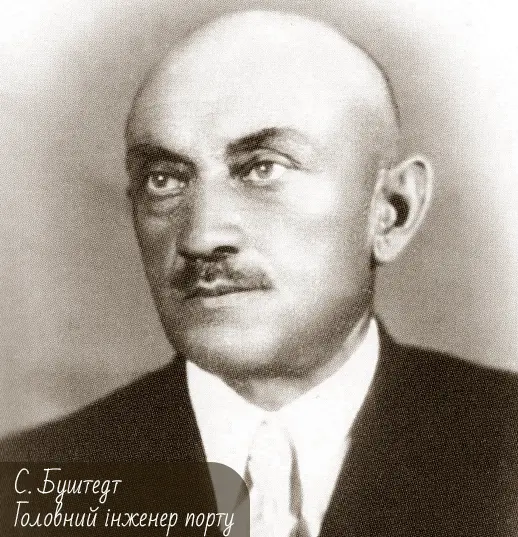
To protect personnel, Chief Engineer Serhii Bushtedt developed a system of protective trenches. They had a zigzag shape, were reinforced with wooden frames, and covered with railway sleepers, boiler plates, and a thick layer of earth. These shelters saved lives more than once. On one occasion, a 500-kilogram bomb fell near the base of the Military Mole — the nearby building was destroyed, but the people in the trench were unharmed.
From August 19 to September 21, 1941, one of the most difficult periods of the city’s defense took place. The enemy concentrated 18 divisions near Odesa, and hostile airfields surrounded the city. After the capture of the Dniester water pumping station, water supply was cut off, and ammunition and food supplies were running out.
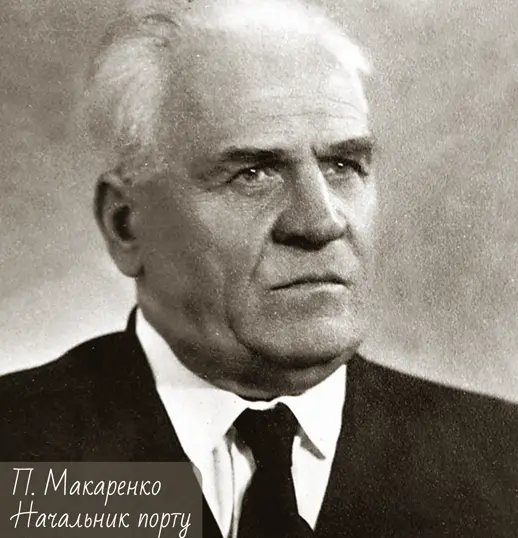
On September 30, 1941, a decision was made to evacuate Odesa. One of the key figures in planning this unique operation was the Head of the Port, Pakhom Makarenko.
The plan envisaged an almost silent evacuation of troops and industrial equipment. Even horses were moved toward the port with their hooves wrapped to reduce the sound. Under the cover of night, in complete silence, despite the operation of machinery and the coordination of personnel, troops, equipment, and assets were withdrawn from the city.
This became one of the most successful and nearly bloodless evacuation operations of the Second World War — and it was carried out for the first time at the Port of Odesa. The last to leave the city were the port’s leadership, headed by Makarenko, aboard the vessel Syvash.
Yet the struggle did not end.
Many port workers who remained in occupied Odesa joined underground and partisan groups. They carried out acts of sabotage in the port area — disabling equipment, setting fire to warehouses, and damaging fuel tanks. Railway cars and locomotives were stopped, while communications, water, and electricity supplies were cut off.
Almost daily, Soviet Information Bureau reports were distributed throughout the port. Thanks to the activities of the underground resistance, during six months of occupation the port handled only 33,000 tons of cargo — roughly its pre-war output for just three days.
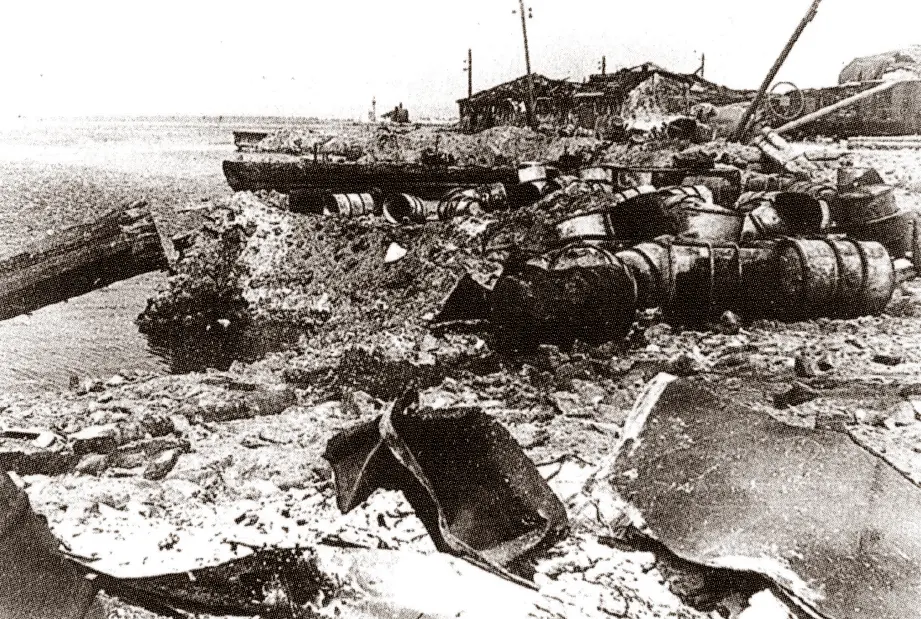
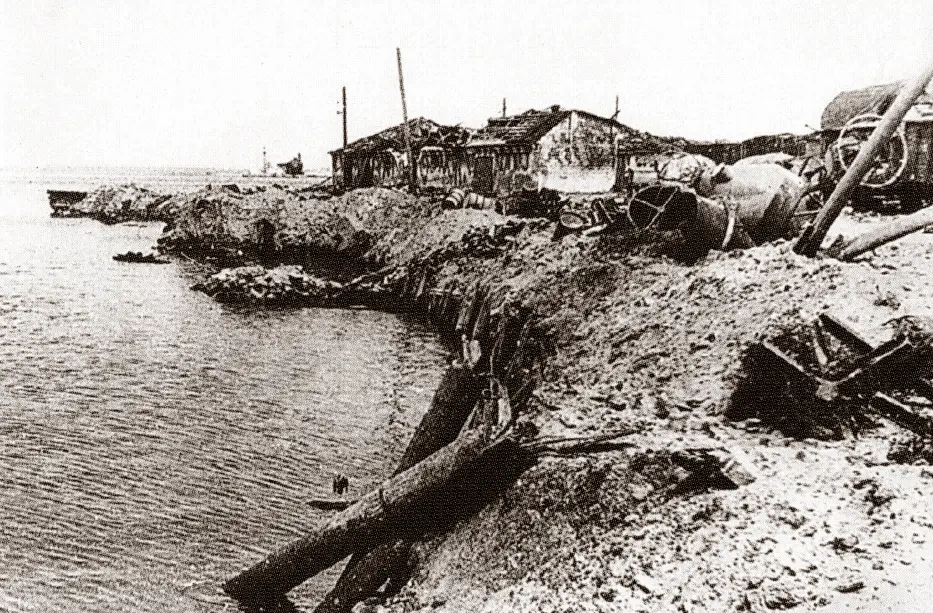
In the spring of 1944, as Soviet troops launched their offensive, the occupying authorities decided to destroy the port before retreating. Sappers were preparing it for demolition. However, underground resistance fighters managed to disrupt the remote detonation system, thereby saving the port from complete destruction.
On April 10, 1944, troops of the 3rd Ukrainian Front entered Odesa.
At that time, the Port of Odesa lay in ruins. Yet port workers were immediately faced with a new challenge — to restore the Black Sea’s main seaport in the shortest possible time.
And once again, they succeeded. Those who had endured the occupation and the front returned to work. Before long, the port resumed operations, supporting both the front and the country’s reconstruction.
The story of the port workers’ resistance is a story of resilience. It is not only about battles, but also about daily work under fire, about dedication to their city and their profession. April 10 is not just a date of liberation.
It is the day life returned to the harbor — the day Odesa once again became a maritime gateway and proved that it cannot be broken.