A Heart That Never Stops: The Medical and Sanitary Unit of the Port of Odesa
As part of the “Incredible Port” project
On the Day of Remembrance and Victory over Nazism in the Second World War, we remember not only the feats of those who fought, but also those who saved lives every day.
The history of the Port of Odesa has its own front line — without trenches, but under fire; without weapons, but with responsibility for every breath. This is the story of the Medical and Sanitary Unit.
In 1941, when war reached Odesa, the port became the city’s main lifeline. Ammunition, food and hope passed through it — and so did suffering. The wounded were brought here from the front and evacuated further — to Crimea, the Caucasus and the rear.
During the 73-day defence of Odesa, port medical personnel worked without respite. Their front line was the quays, their weapons were bandages, stretchers and endurance.
Their task was both simple and unbearably difficult: to make it in time. Under fire, they transported the wounded to vessels, loaded them aboard and sent them to places where there was still a chance of survival. Tens of thousands of servicemen of the Primorsky and 9th Armies passed through the port. And every one of them was someone’s son. Someone’s husband. Someone’s life.
Vessels became hospitals. They were converted in haste, but with the hope that they would save lives. The tradition of floating hospitals, known in Odesa even before the war, acquired an especially dramatic significance in 1941.
The night of 16 October 1941 was a test at the very limits of human capability: the final evacuation, fire and panic. Amid it all, medical personnel remained calm and focused. They stayed at their posts until the very last moment, helping evacuate the troops under bombardment.
Among them were frontline medical workers whose names have been preserved in the history of the port.
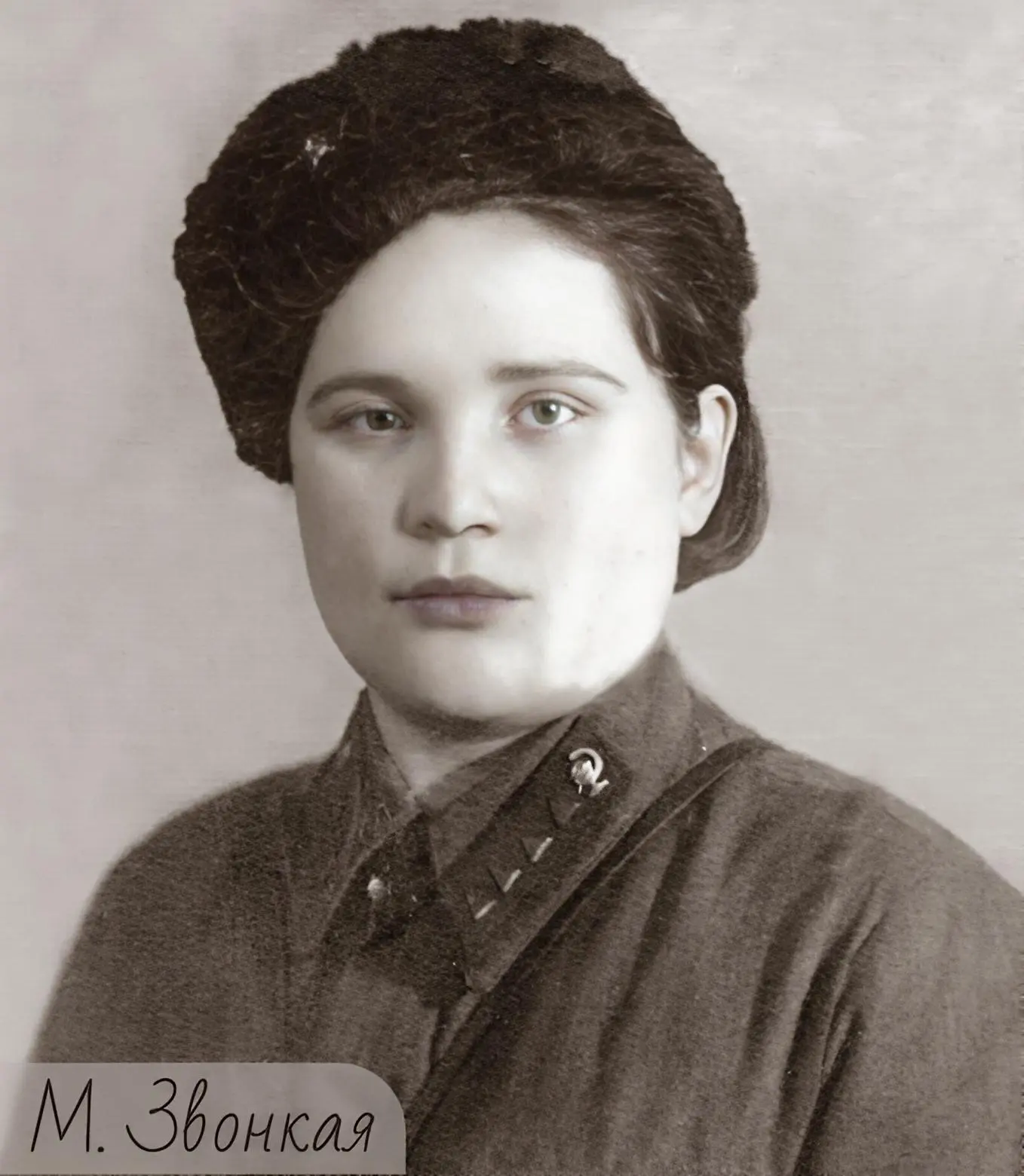
Maria Zvonkaia — a frontline nurse. One of those remembered in Odesa as a symbol of professional dedication. During the most difficult days of the defence, she did more than coordinate operations — she personally carried the wounded, organised their evacuation and supervised their boarding onto vessels under continuous bombardment. She was seen on the quays until the very last moment — calm, composed and unbroken. She did not abandon her post even when the city was preparing for a full evacuation. After the war, Maria Pylypivna returned to the port’s Medical and Sanitary Unit and for many years continued treating those whom she had once rescued from the battlefield.
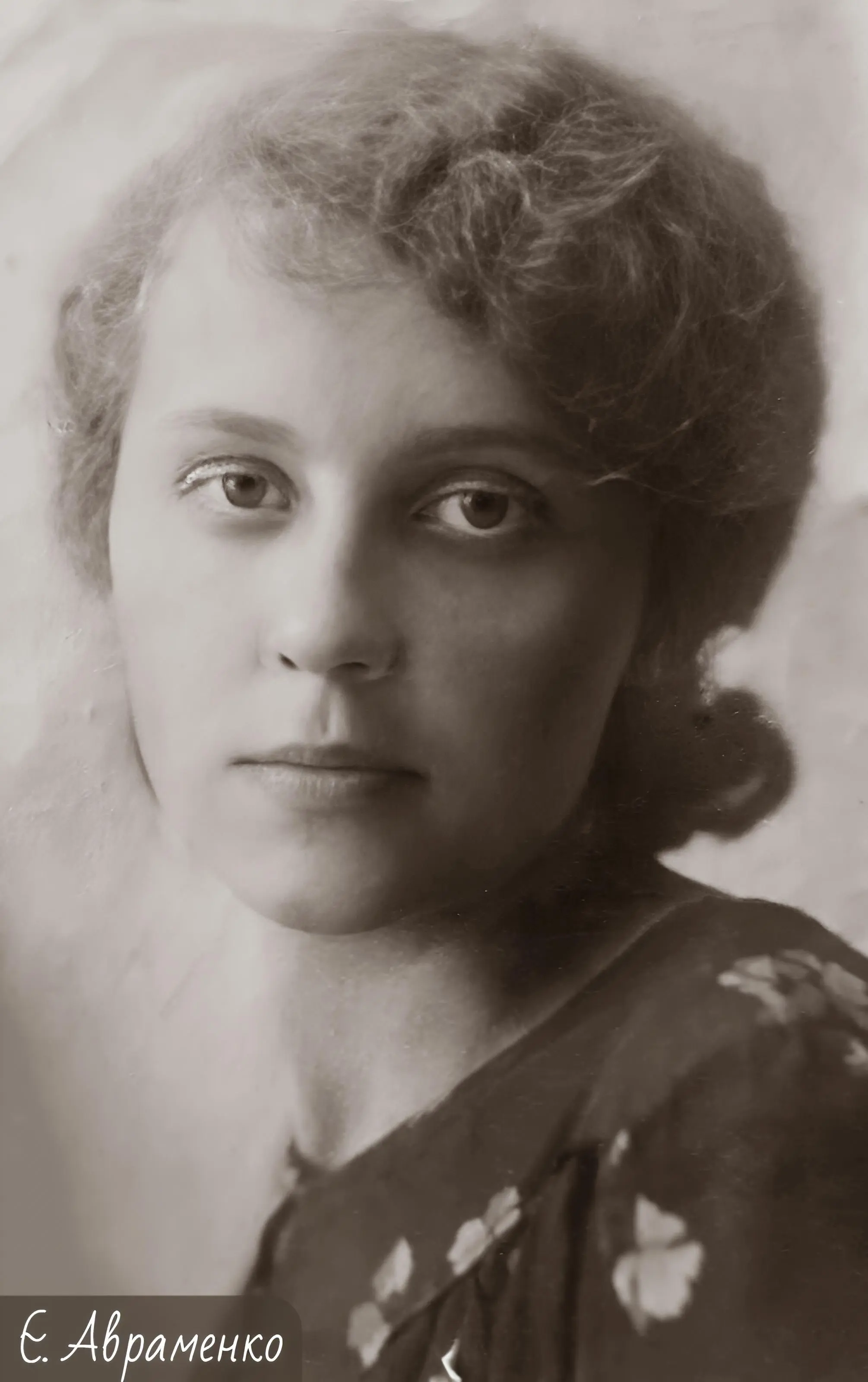
Yevheniia Avramenko — at the age of 22, she became head of the medical unit of a medical evacuation train and was the only doctor responsible for the entire train transporting wounded servicemen from the front to the rear. She stabilised patients during transportation, controlled bleeding, performed amputations and carried out essential surgical procedures under field conditions. Her professionalism and endurance saved countless lives, and she became a symbol of selflessness and strength. Even decades later, at the age of more than 100, Yevheniia Avramenko once again demonstrated her resilience by overcoming a serious illness.
Among the frontline medical workers was also Tetiana Hudzenko — part of the large, almost invisible team that carried the work of frontline hospitals and medical stations in the port. Her service did not end with the war: in peacetime, she continued her work in medicine, caring for port workers and seafarers. Her name also remained part of Odesa’s scientific community, as part of a medical family whose members contributed to the development of microbiology and medicine after the war, continuing a tradition of service born during the war years.
They were different — in character, destiny and life path. But they shared one essential quality: responsibility for another person’s life and the willingness to remain by their side even when the world around them was falling apart.
In the spring of 1944, following the liberation of Odesa, a hospital once again appeared among the destroyed quays. No one counted the hours — they held on to every life.
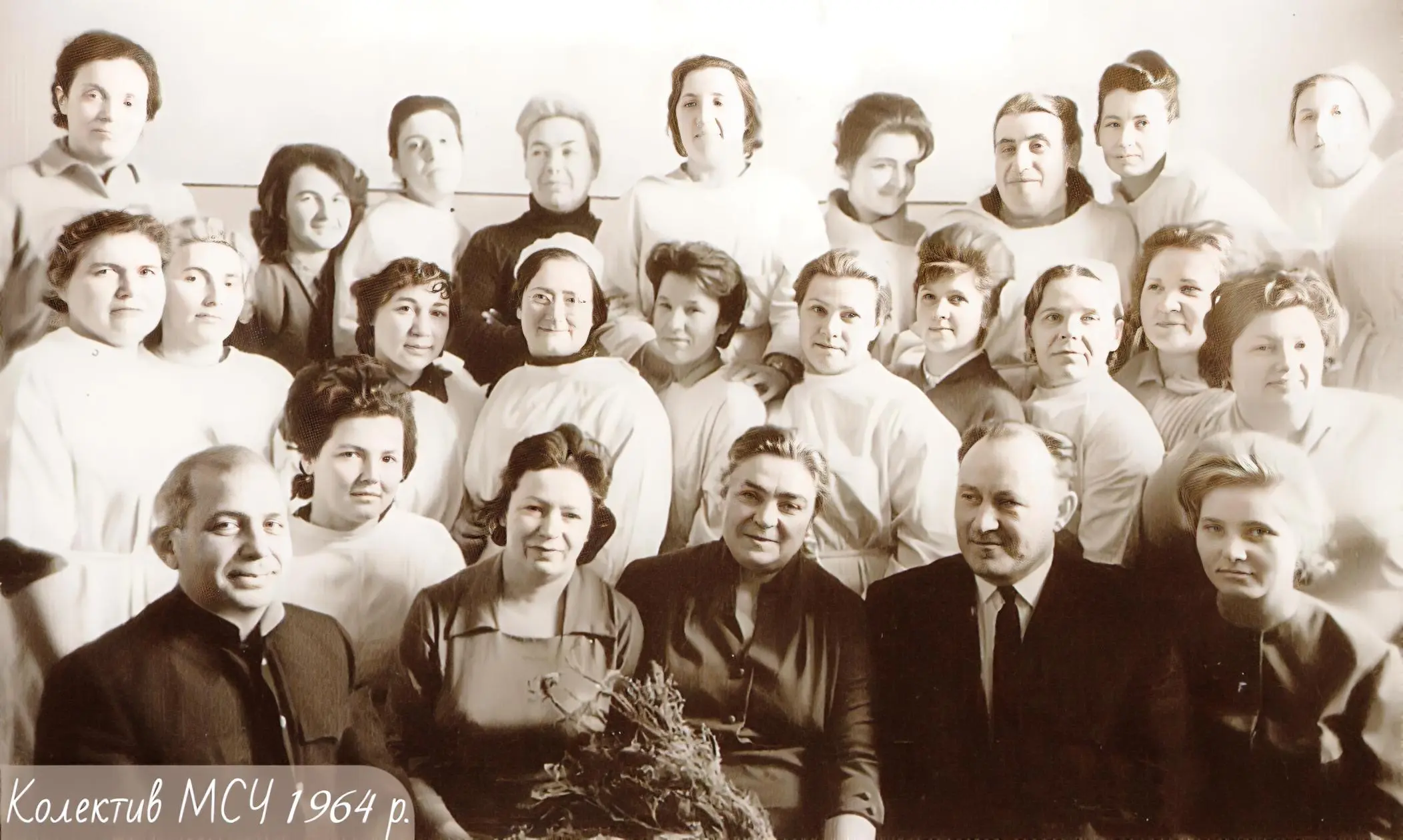
Over time, the hospital became a polyclinic and part of the medical system serving maritime transport. Medical professionals remained alongside the port as it moved from reconstruction to new challenges.
After Ukraine gained independence, many institutions disappeared, but the Medical and Sanitary Unit of the Port of Odesa endured. It was sustained by people — those who remained committed to their profession and would not allow that trust to fade.
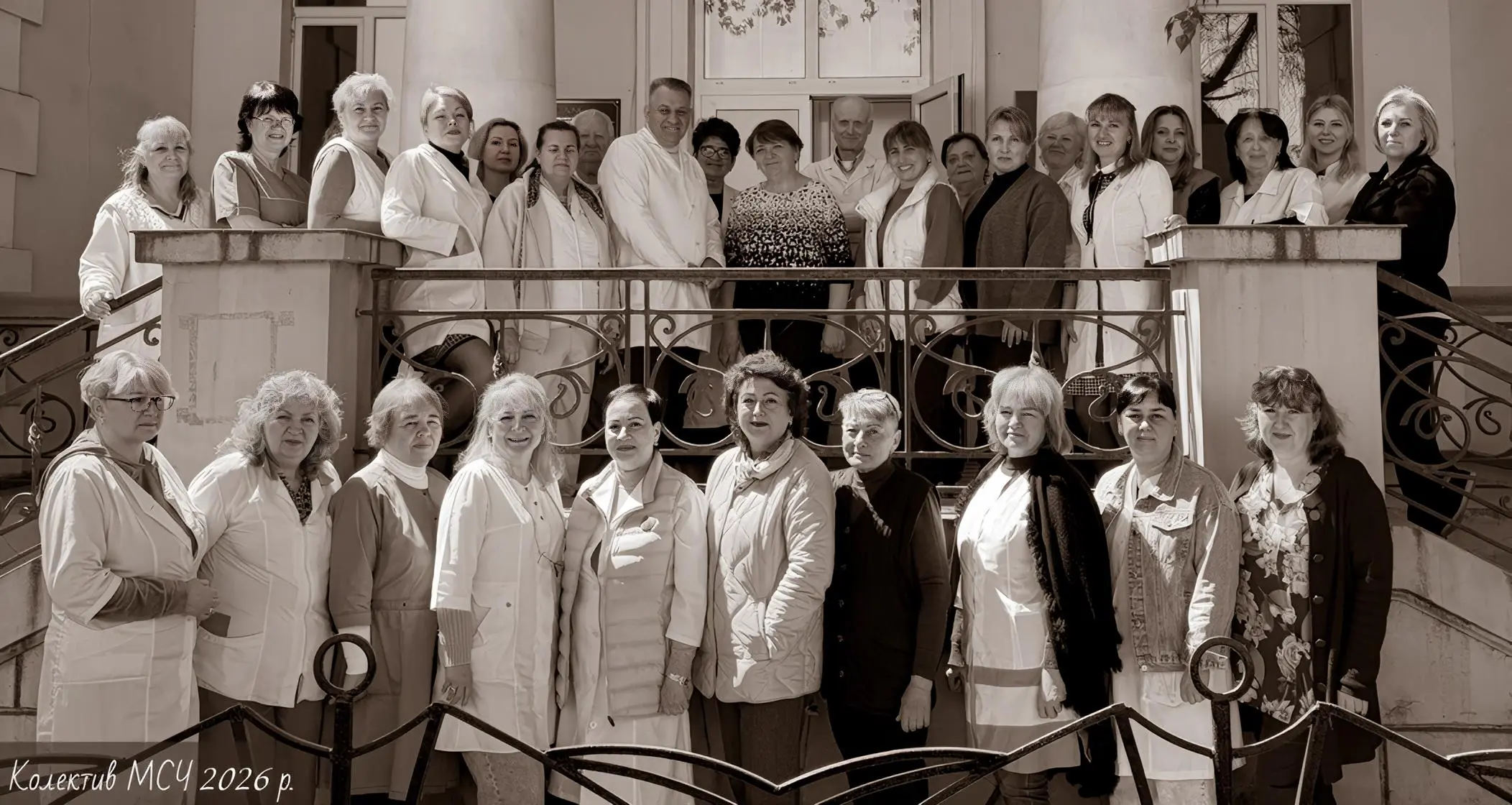
Today, the port is once again operating in wartime. Missile and drone attacks, air-raid alerts and constant danger have brought back experiences familiar from 1941. And once again, medical professionals are there. Under the leadership of Zhanna Putiienko, Chief Physician of the Medical and Sanitary Unit and Candidate of Medical Sciences, they work without pause — around the clock, acting quickly and precisely.
Today, their front line is not limited to emergency care. It also means daily prevention, medical examinations and monitoring the health of those working in high-risk conditions. It means blood donation days, when port workers give the most valuable thing they have — their blood — to help save the lives of military personnel and civilians.
As in 1941, the port remains a lifeline. And what is at stake here is not only logistics — it is life itself. From the hospital of 1944 to work under missile attacks today, there is an unbroken line of service.
They do not speak of heroism. They simply work: receiving patients, treating them, waiting for donors, saving lives. They do not close their doors during air-raid alerts, nor do they turn off the lights at night.
Because as long as the port keeps operating, a heart beats beside it — a heart that never stops, even when the world trembles from explosions.