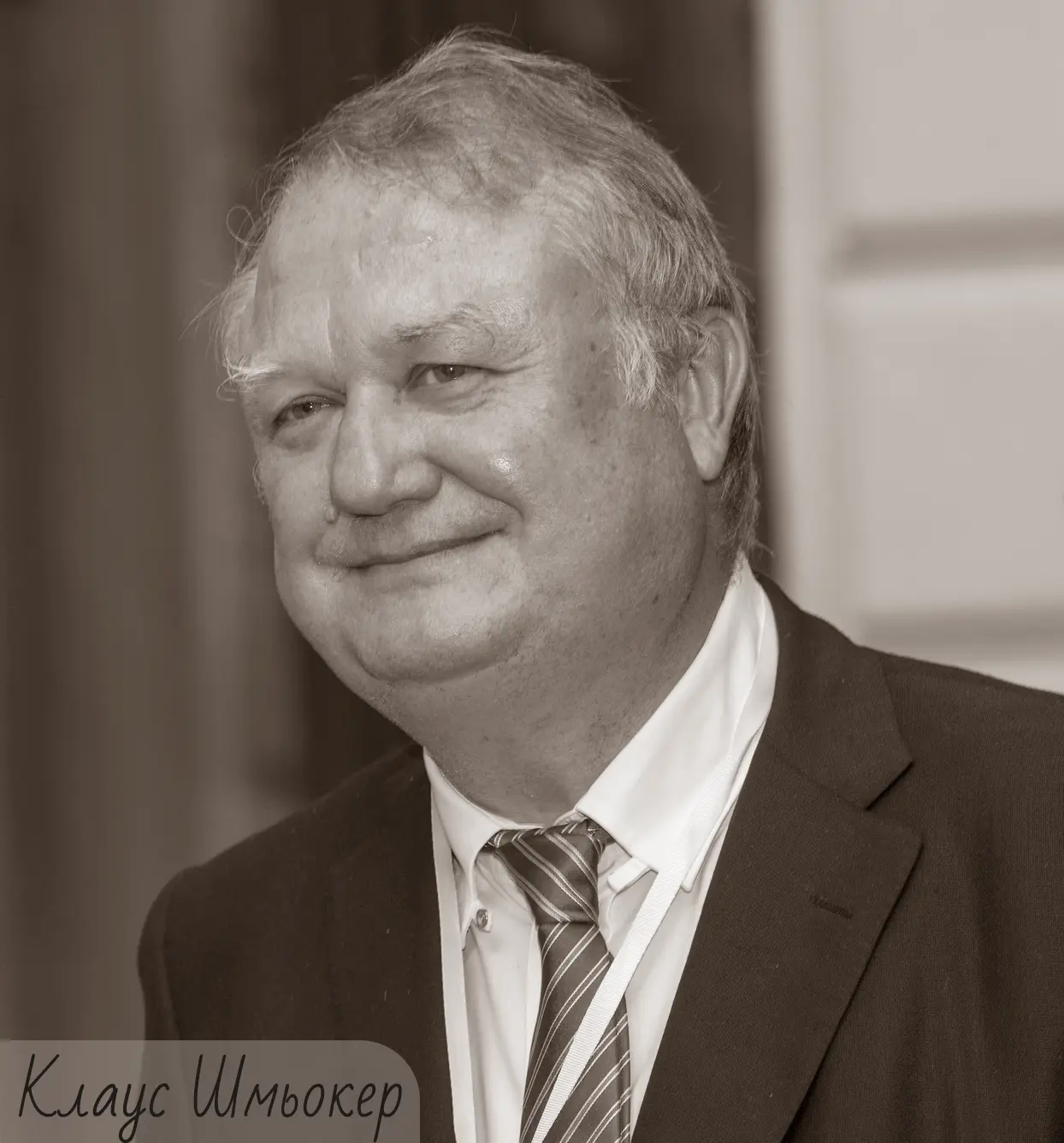
Klaus Schmocker: The Man Who Believed in Odesa
As part of the “Incredible Port” project
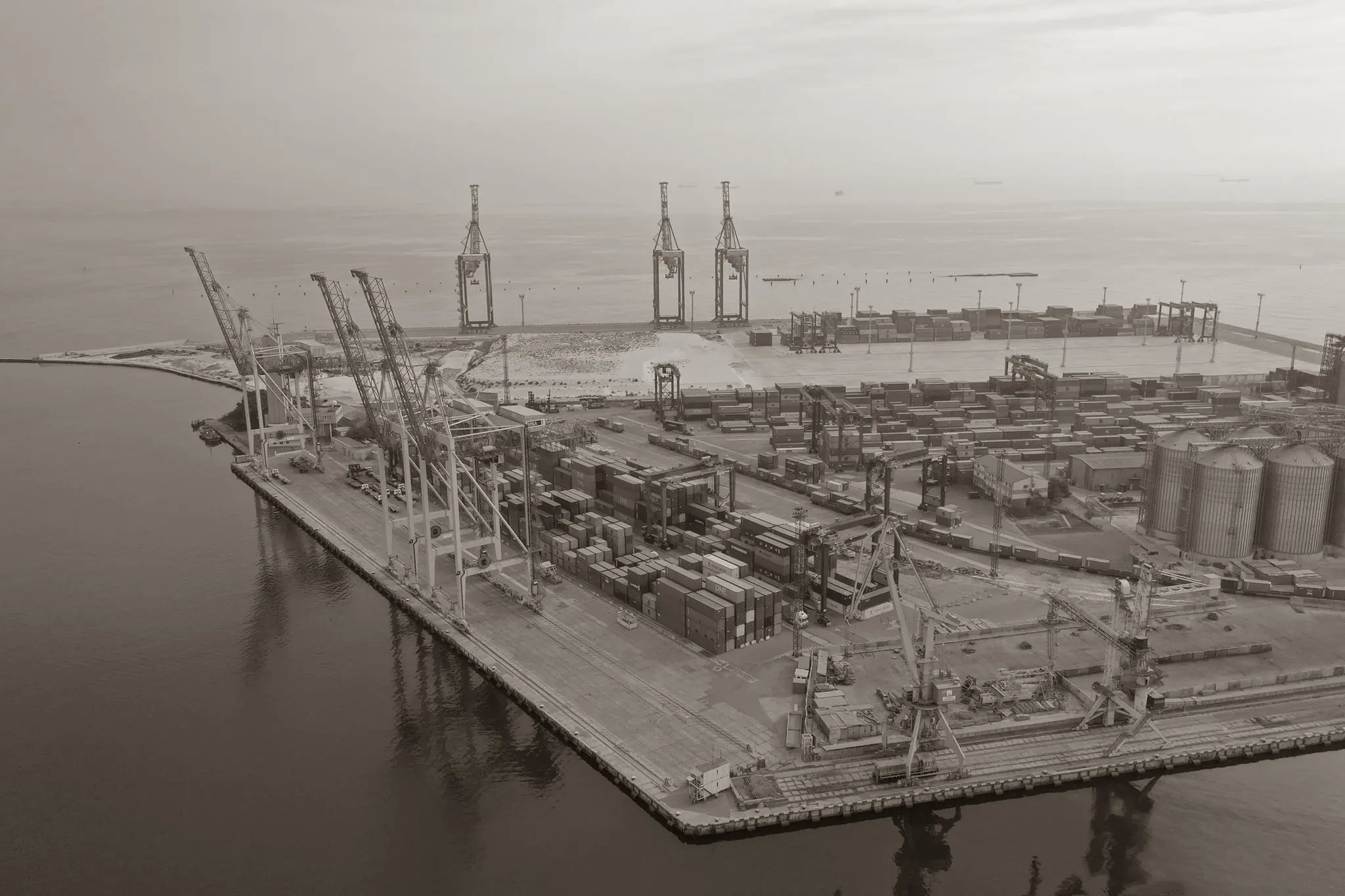
April 2010. The Port of Odesa. Quarantine Mole.
Sea wind, concrete, metal, and people in hard hats.
A moment that would later be called historic — the driving of the first pile for a new container terminal.
For some, it was simply another construction project. But for Klaus Schmocker, President of HPC Ukraine, it was the culmination of a long journey. He stood there calmly and with concentration, without unnecessary fanfare. He knew that behind that brief strike of the pile lay years of struggle, decisions and belief.
And at that moment, history seemed to rewind.
…Post-war Hamburg. A city devastated, yet alive. Amid cranes, quays and salty sea air stood a young Klaus, watching ships for hours. It was there that his love for the sea was born. He did not yet know that one day he would help shape the future of ports in different countries and stand at the origins of one of the largest port projects far from home — on the shores of the Black Sea.
Klaus discovered the romance of life at sea as a cadet aboard Hapag-Lloyd vessels, and by the age of 25 he had obtained his master mariner’s licence. Yet Schmocker proved to be a man who could not be confined to a single role. After six years at sea, he came ashore — to Japan, where he took part in the acceptance of new bulk carriers at a shipyard.
Then came a return to Germany: university teaching and work on his doctoral dissertation. Everything was following a classic, almost academic path… until port consulting entered his life.
In the early 1980s, he joined Hamburg Port Consulting, an organisation associated with Hamburger Hafen und Logistik AG.
This was a different scale altogether: international projects, complex markets and new challenges.
Saudi Arabia, Nigeria, Ghana. And later, Mogadishu, where he helped organise port operations as part of a humanitarian mission to Somalia. It was an experience that shaped not only the professional, but the person as well.
Over the years, his responsibilities continued to grow. Klaus Schmocker became a member of the Management Board of the German logistics group HHLA AG in Hamburg, serving as one of six board members and overseeing international business. His responsibilities included port terminals in Iraq, Chile, Argentina and Brazil — a geography that reflected his standing as one of the leading managers of global stature.
And yet he regarded Ukraine as the most important endeavour of his life.
In the early 1990s, Klaus Schmocker first came to Odesa — to a port that was only beginning to operate in the new realities of independent Ukraine. Within the framework of the European TRACECA programme, he provided consultancy support to the port administration.
In the 2000s, alongside his work at HHLA, Schmocker began actively exploring opportunities for cooperation with the Port of Odesa, recognising its significant potential for the development of container shipping in the Black Sea region.
The company HPC Ukraine, established with his involvement, began operations in 2001. After 2010, he combined his international activities with his position as President of the company, directly overseeing the development of the project in Odesa.
The early years were challenging: an imperfect legislative framework, pressure and attempts to terminate the contract. At one point, the situation became critical. Schmocker responded without hesitation, involving the German Government, diplomats and lawyers to protect the project. It was more than business. It was a matter of principle.
Thanks to his determination and professionalism, the project not only survived but went on to become one of the most successful in the sector. The container terminal at the Quarantine Mole was modernised, and construction subsequently began on a new, large-scale and state-of-the-art facility, backed by investments of hundreds of millions of euros.
In fact, Schmocker was at the forefront of the largest German investments in Ukraine’s port infrastructure. In 2010, his contribution to the development of Ukraine’s maritime sector was recognised with the Order of Merit, Third Class — an acknowledgement not only of his professionalism, but also of the steadfast belief in the project and the country that he demonstrated at a time when Ukraine was still striving to establish its economic resilience.
He believed in Ukraine — at a time when that was far from obvious.
Today, HPC Ukraine — known since 2017 as Container Terminal Odesa — is the largest container-handling operator in Ukraine.
ІBut perhaps the most important thing is not the figures.
He was respected. He was trusted.
He knew how to communicate with people — honestly and directly, without unnecessary diplomacy, but with genuine interest. He brought to the Port of Odesa not only Hamburg’s technology, but also a working culture: European standards, respect for people and decent working conditions.
For Odesa’s port workers, he became more than a foreign manager.
He became one of their own.
On 23 February 2017, news of his passing came as a profound shock to everyone who had worked with him.
A man had gone who did not simply implement projects — he helped build the future and knew how to inspire others to believe in it.
And perhaps that is Klaus Schmocker’s greatest legacy: belief.
Belief in the port.
Belief in people.
Belief in Ukraine.
The story of Klaus Schmocker is more than a biography. It is a story about a choice. About how one person can change more than might seem possible.
And about how, sometimes, the most important berth is not the one where you were born, but the one you helped build.