Descendants of Virmenskyi Lane: Avetis Markarian
As part of the “Incredible Port” project
In Odesa, there are streets and lanes that have disappeared from the city map but remain forever in the memory of the port. Virmenskyi Lane is one of them. Today it is known as Androsivskyi Lane. In the past, it was also called Port Lane. Yet veteran dockworkers still say:
— On Virmenskyi.
The lane did not receive its name by chance. It descended like an arrow straight toward the port—to the place where steamships sounded their whistles and where the hard work of stevedores began before dawn. At the turn of the twentieth century, Armenian families settled here, occupying entire courtyards and forming large, close-knit communities.
They lived near Prymorska Street, opposite the Androsivskyi Mole. For many years, locals referred to a large building with an inner courtyard simply as the “Armenian House.” Almost every apartment there had some connection to the port.
The Armenians did not arrive here in search of fortune. Some fled massacres in the Ottoman Empire. Others escaped famine. Still others were simply trying to survive.
They came to Odesa without money, without property, and sometimes even without documents. Yet most of them retained something far more important—the habit of working in a way that allowed them to look others in the eye without shame. They were not seeking wealth; they were searching for a place where they could begin life anew. For many of them, the Odesa Sea Port became exactly that place.
Among port workers, Armenians quickly earned a special reputation. Before the war, eight Armenian stevedore gangs operated in the Odesa port. They were assigned to the most responsible cargo operations, especially vessels carrying food supplies. In a country plagued by shortages, this was a matter of national importance. Port management knew that wherever Armenians handled the cargo, it would reach the warehouse intact.
Ivan Tsikhovych, the longtime keeper of the Vorontsov Lighthouse, later recalled:
— If Armenians were assigned to a hold, there was no need to inspect it afterward.
They might have been poor. They might have been exhausted. But stealing was considered a disgrace that would shame an entire family line.
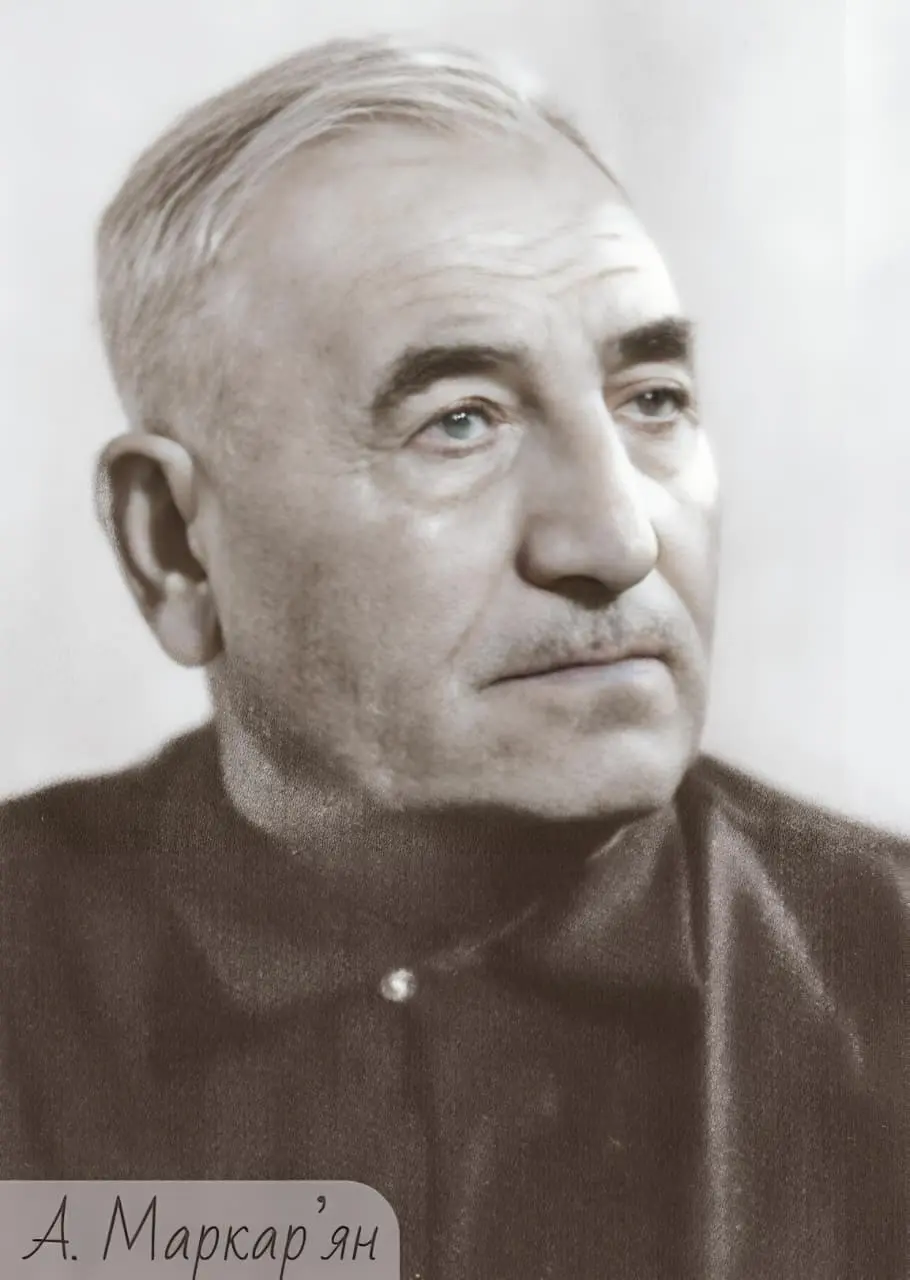
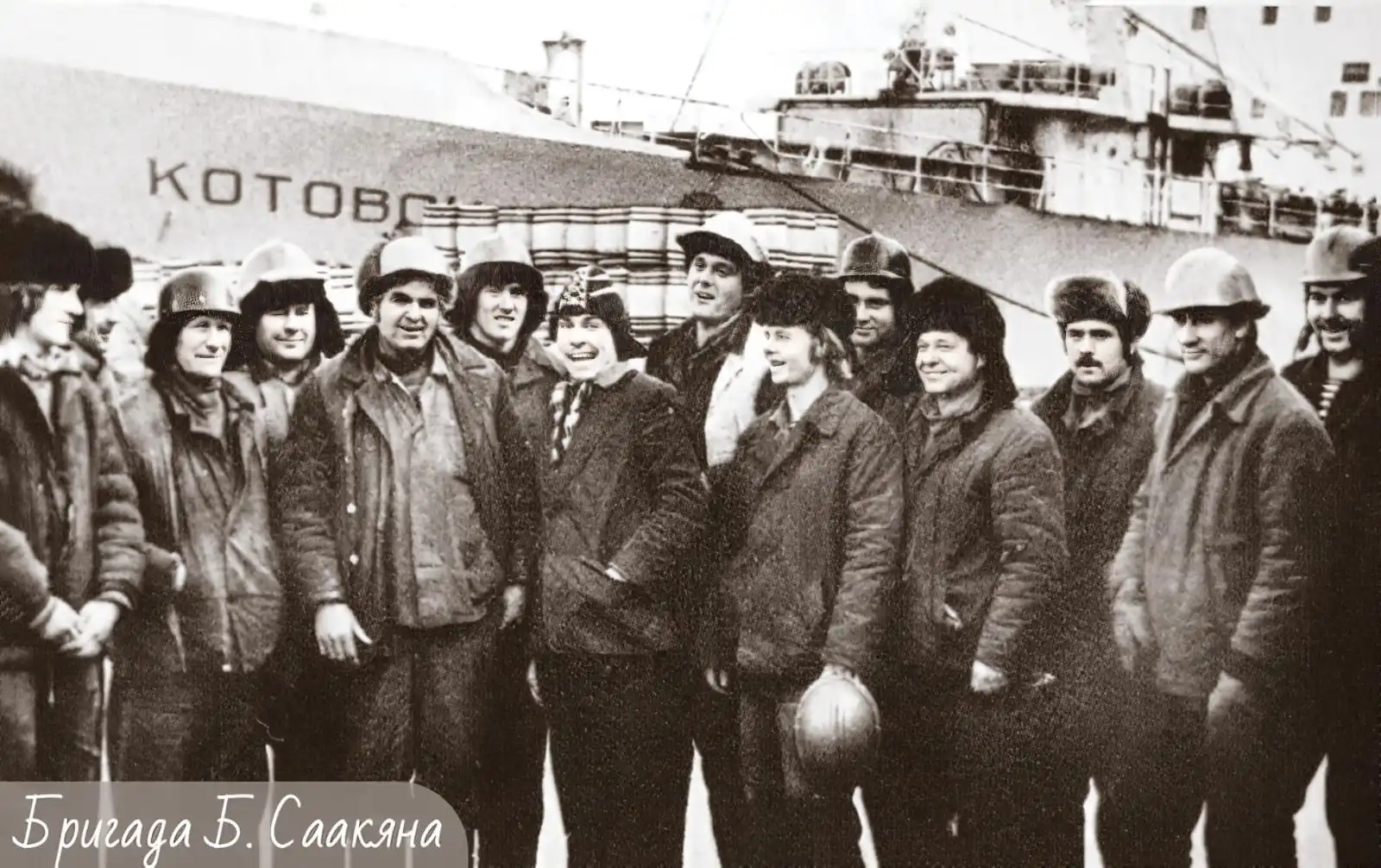
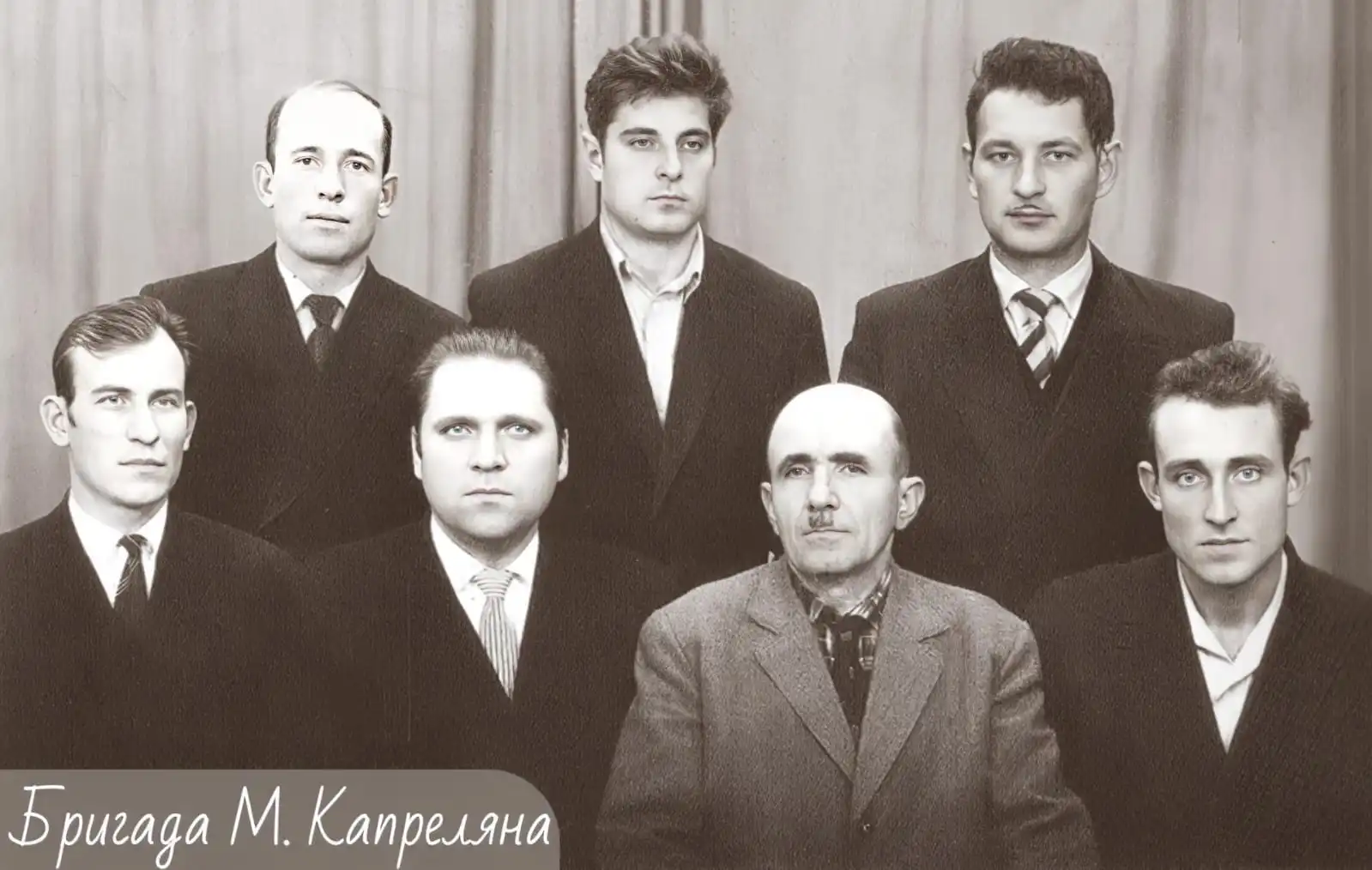
The port community knew and respected Hakob Baghdasaryan and Murat Kaprelyan. They were also wary of the strict foreman Saakyan, whose police whistle hung permanently around his neck. If anything went wrong, a sharp whistle would ring out, meaning only one thing: “Everyone, over here”. Yet the most remarkable Armenian among the port workers was a man whose story would be retold in port folklore for decades — Avetis Markarian.
He arrived in Odesa as a teenager in 1910, completely alone. His family had been killed during an anti-Armenian massacre in a mountain village of the Ottoman Empire. The thin, exhausted boy walked all the way across the Caucasus and the southern steppes to reach the Black Sea because his older brother, Petros, was already working in Odesa.
Avetis's first job was carrying heavy sacks of salt on his back. It was work that broke grown men, but he endured it. Over time, Markarian became one of the port’s finest stevedores and eventually rose to the position of ship foreman responsible for cargo operations. He also spoke five languages: Armenian, Turkish, Greek, Persian, and English. It was this remarkable skill that one day made him famous throughout the port. The story took place after the war.
On a foggy summer morning, complete calm lay over Odesa Bay. Sea and sky blended into a single pale-blue veil. Even the border guards failed to notice a small Turkish vessel with a faded blue hull quietly entering the Quarantine Harbour through the Vorontsov Gates.
The boat moored at the Grocery Quay. There were only two people on board—the captain and the engineer.
The captain jumped ashore, waving his papers and repeatedly shouting a single word:
— Tahtakurusu! Tahtakurusu!
The dockworkers exchanged puzzled glances. Some thought it was the name of the cargo; others assumed it was a curse. A crowd quickly gathered around the bewildered visitor.
Then someone said:
— Call Markarian. He speaks Turkish.
Avetis came over, listened to the captain—and burst out laughing.
As it turned out, "tahtakurusu" means “bedbug” in Turkish. The vessel had arrived from Istanbul to collect a small shipment of naphthalene, a substance used to protect fabrics from moths and other insects.
Markarian quickly resolved all the formalities. He escorted the captain to the port’s main dispatch office, where representatives of the border service and the Inflot shipping agency were urgently summoned. The incident itself was later recalled during safety briefings as a vivid example of how dense fog could conceal a vessel even near the entrance to the port.
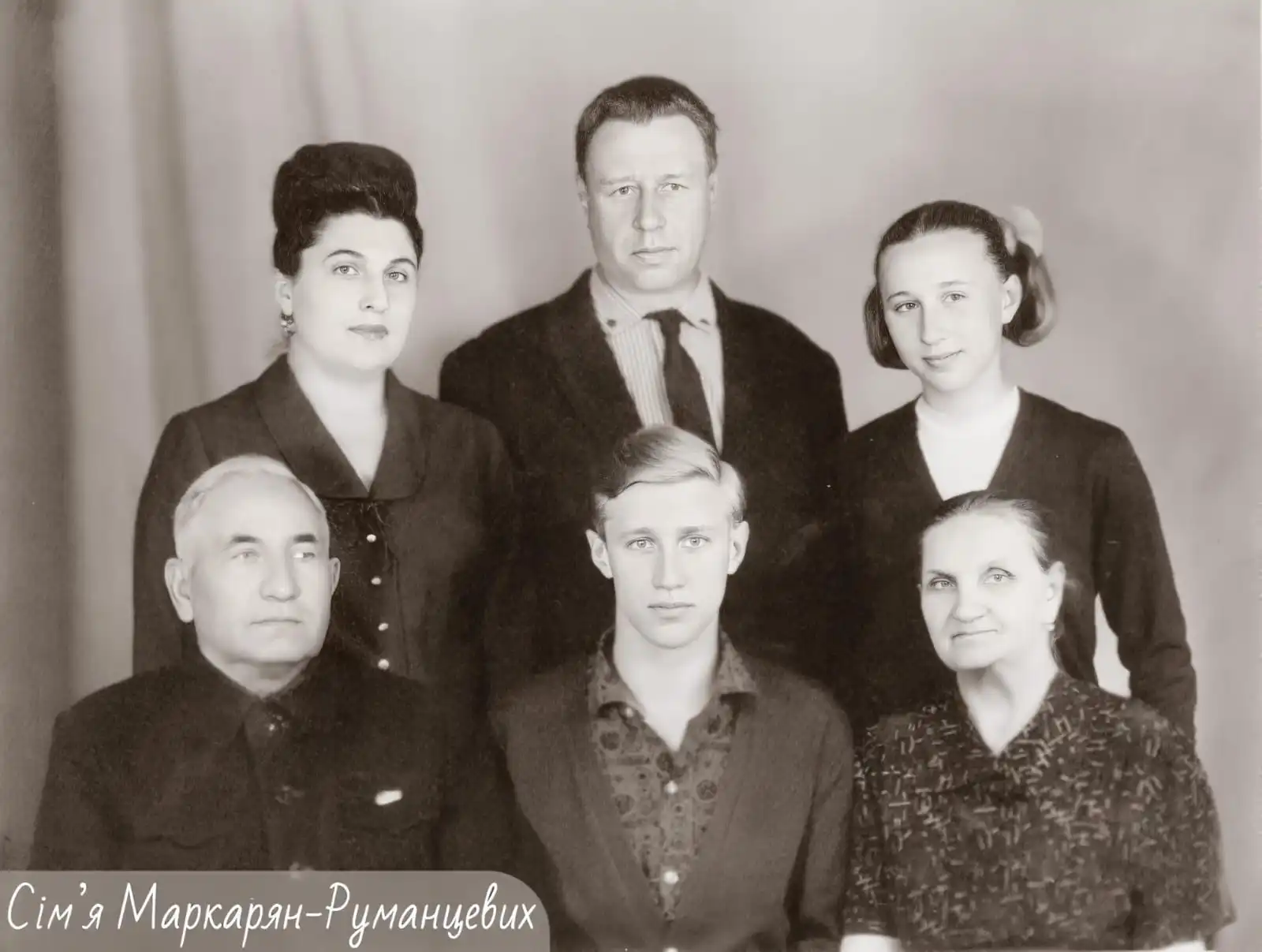
Yet Markarian was respected not because of this amusing story. During the war, although he was exempt from military service, he chose to serve at the front. After Victory, he returned to the quays as if he had never known any other life. Then his children came to work at the port. Then his grandchildren. Then his great-grandchildren. Four generations in all.
And perhaps this is the true meaning of old Virmenskyi Lane. People who had lost their homes but not their dignity found a new shore by the Odesa Sea Port—and became part of its history, its character, and its spirit.