The Story Behind a Photograph
As part of the “Incredible Port” project
There are photographs you glance at for a few seconds. And then there are those that draw you in completely, as if opening a doorway to another life.
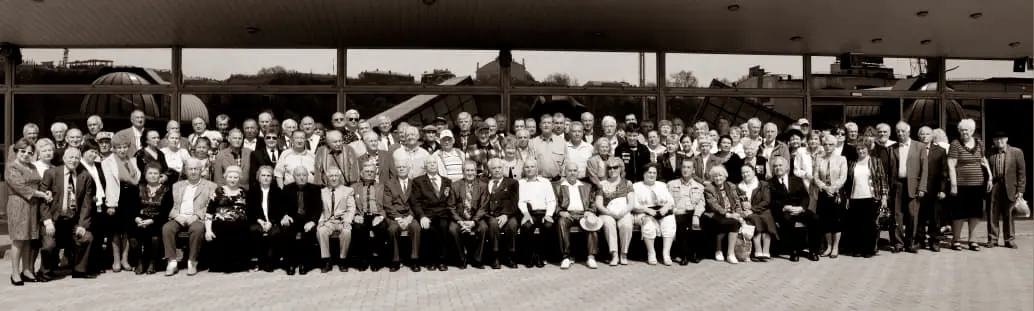
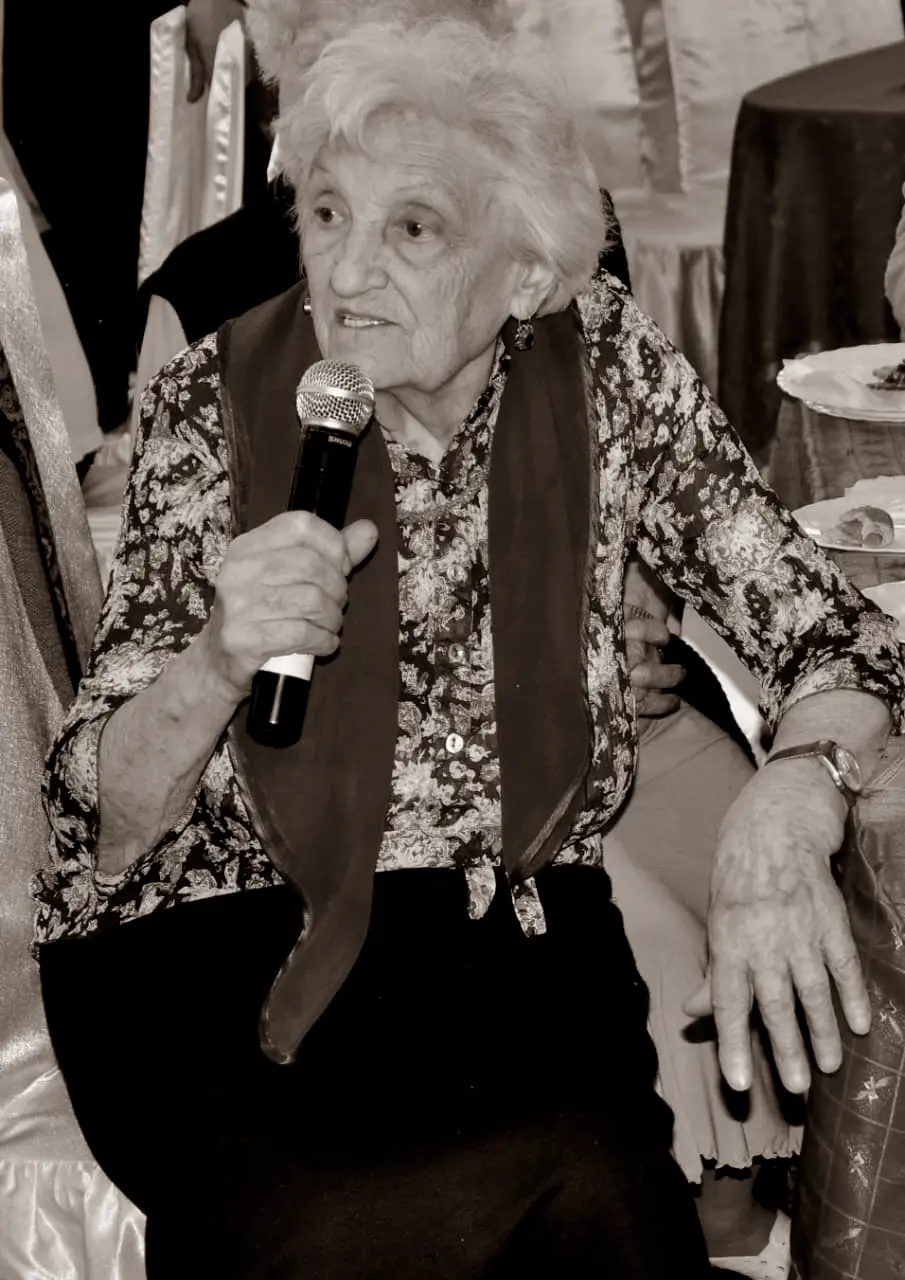
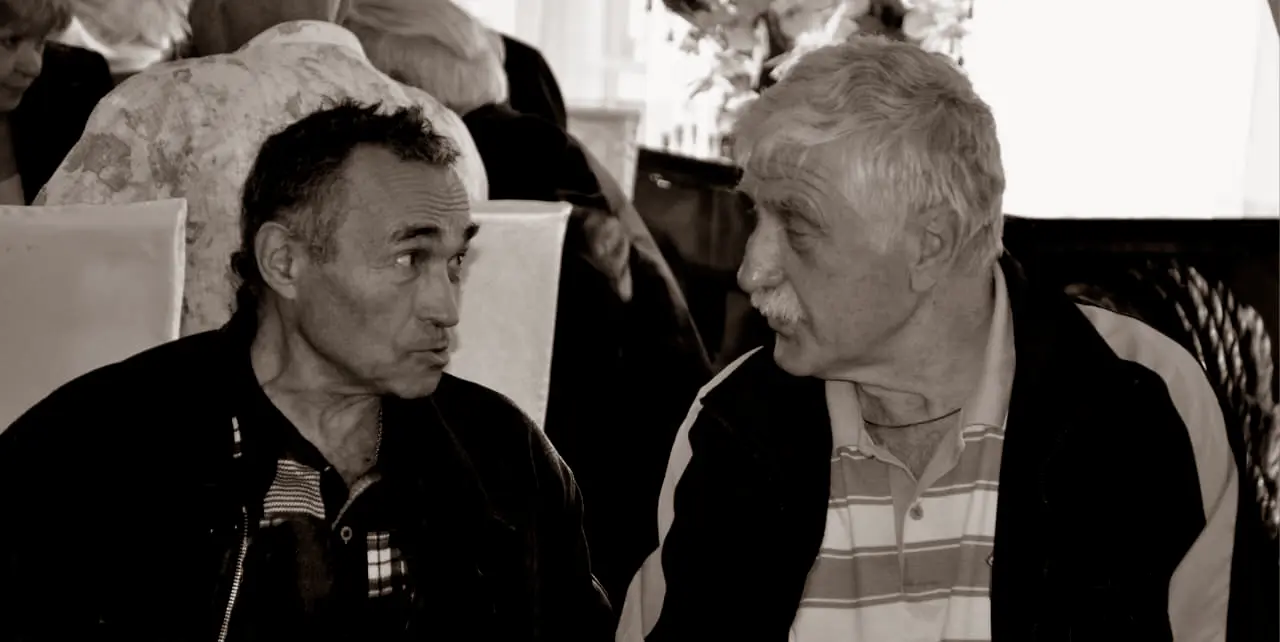
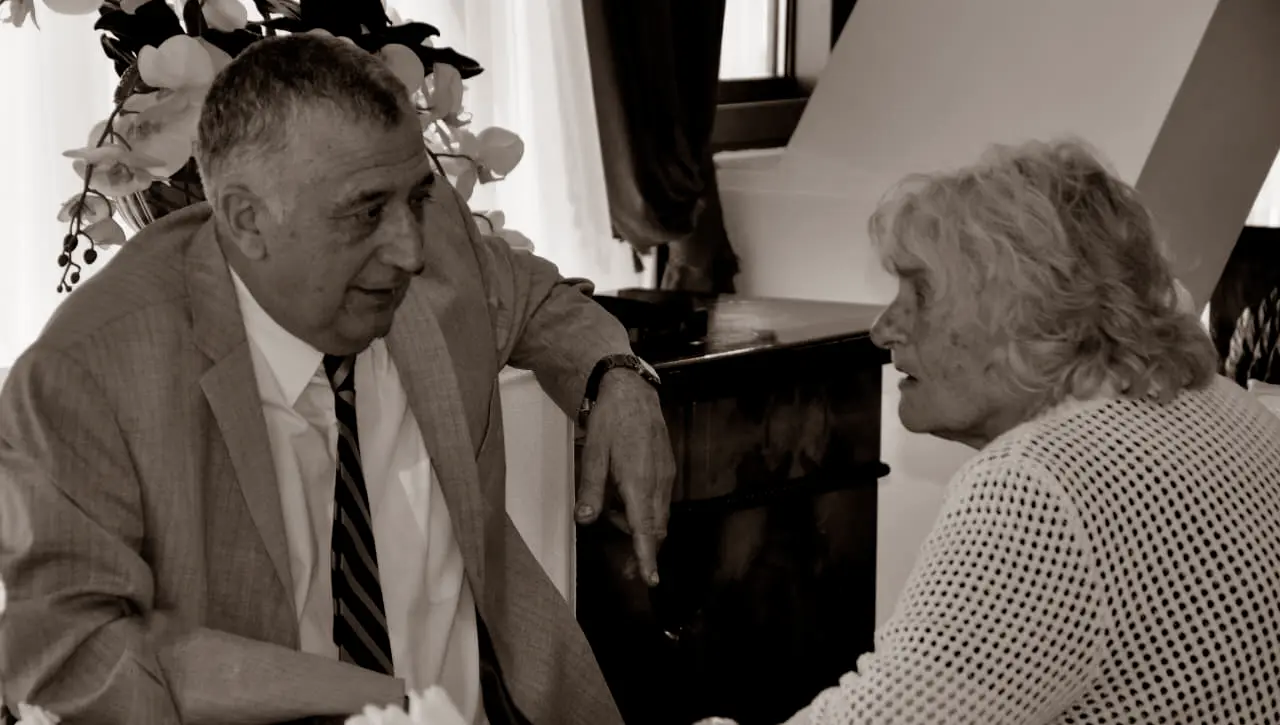
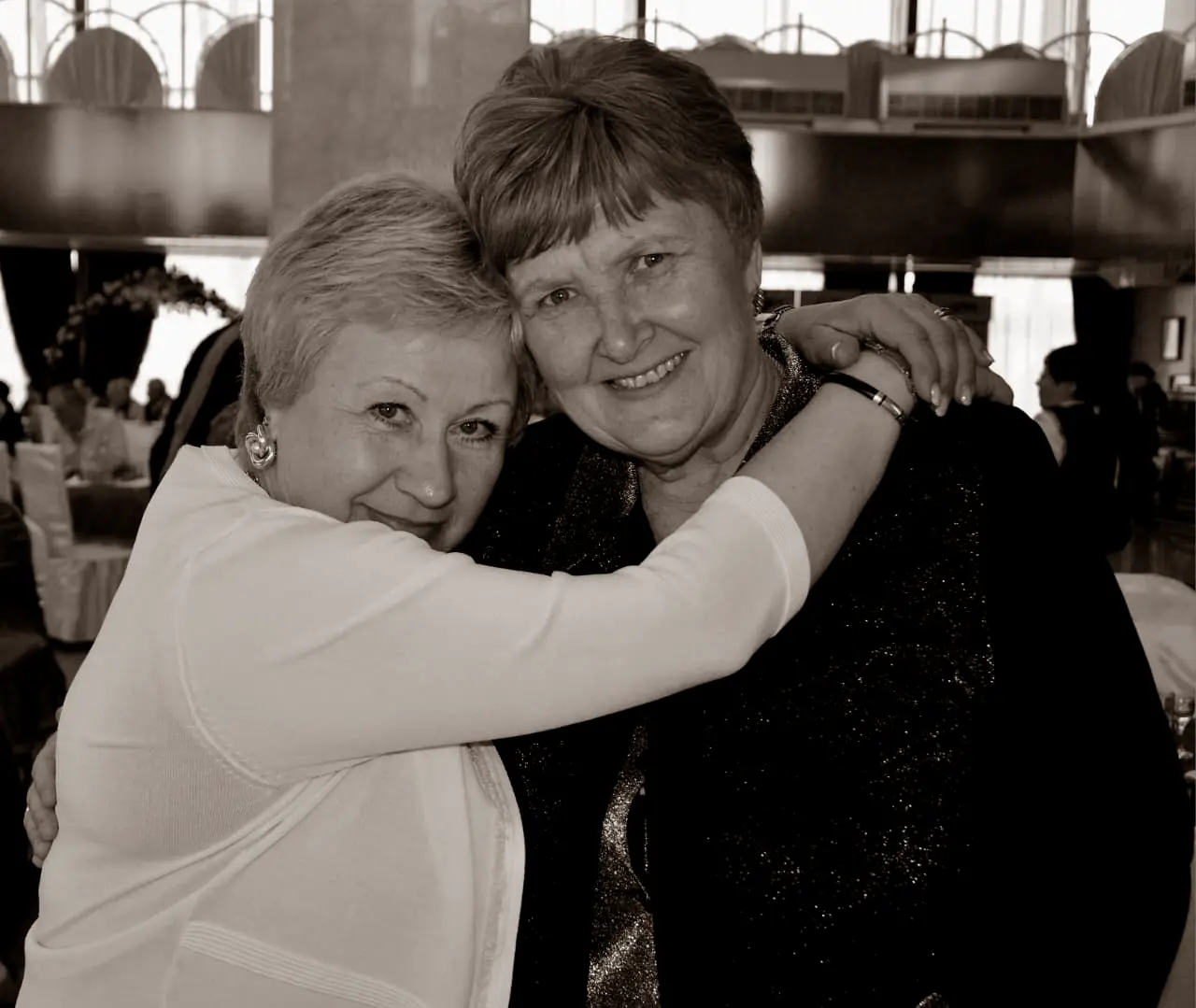
This photograph was taken on April 26, 2013, in the square outside the Odesa Marine Terminal. It captures veterans of the Port of Odesa — men and women who helped build the reputation and success of their enterprise over the course of seventy years. These are the people who built, lifted, loaded, restored, rescued, and carried one of the country's most important ports on their shoulders for decades.
Today, many of them are no longer with us. But on that day, they were together once again.
Grey-haired, somewhat weary, leaning on canes, wearing medals, coping with aching legs, yet still possessing the same unmistakable port spirit. They were people who had survived war, famine, the collapse of a country, the hardships of the 1990s, and countless changes within the port industry. They gathered once again with their former crews as though half a century had never passed.
The veterans' organization of the Port of Odesa dates back to the late 1950s. As experienced employees began retiring, the port discovered that it was far easier to process retirement paperwork than to sever the human bonds formed over a lifetime of work. The port was more than a workplace—it was a family. Each work crew was its own world. They worked together, endured difficult shifts together, mourned fallen colleagues together, and celebrated their children's weddings together. When someone retired, it often felt like losing a member of the family. To preserve these ties, the port established a system that allowed distinguished veterans to remain connected to their beloved workplace for as long as their health permitted. Thus, the Port Elders Council was born.
The Council brought together legendary foremen, dockworkers, crane operators, warehouse personnel, and mechanized equipment operators—people whose hands still remembered both the searing metal of wartime and the cold concrete of the devastated post-war berths. Many were war veterans who had helped rebuild the Port of Odesa from ruins.
Unable to imagine life without meaningful work or without the port itself, they continued contributing in every way they could. They advised younger employees, shared their expertise, and participated in solving complex operational challenges. When ships carrying natural rubber began arriving at the port in 1958, veterans such as Avtomonov, Barmak, Shatunovsky, Chavdarov, and Markaryan played a key role in organizing the handling of this new cargo, offering solutions that existed neither in manuals nor in regulations.
Then came the 1990s. The country was falling apart before people's eyes. Salaries disappeared, and pensions were often insufficient even to buy bread. Elderly port workers who had spent their lives working tirelessly suddenly found themselves facing old age and poverty alone. But the port did not abandon its own.
Under the leadership of Port Director Mykola Pavliuk, the veterans' organization received strong support. It was during this period that the “Care” program was established, providing pension supplements, free meals, medical assistance, food packages, free dental prosthetics, continued support for the veterans' choir, library services, and aid for those who were lonely or bedridden.
Thousands of people survived thanks to this support. Yet the veterans never considered themselves a burden. They continued serving the port in different ways. They worked as volunteer traffic inspectors, monitored cargo storage practices, helped oversee compliance with occupational safety requirements during cargo operations, and participated in warehouse inventories. They also visited sick colleagues, supported widows, and raised funds for funeral expenses. It was at one such funeral that someone bitterly remarked:
— Old port workers only gather together at funerals…
Silence followed.
Then someone replied:
— Then let's meet while we're still alive.
That simple exchange gave birth to the gathering held in the spring of 2013.
On that day, several generations of the Port of Odesa came together at the Marine Terminal. There were those who had rebuilt the port after the war, the heroes of the grain campaigns of the 1960s, the record-setting cargo handlers of the sugar and import cargo operations of the 1980s, and the foremen and dockworkers of the 1990s, when the port was overflowing with export metal shipments.
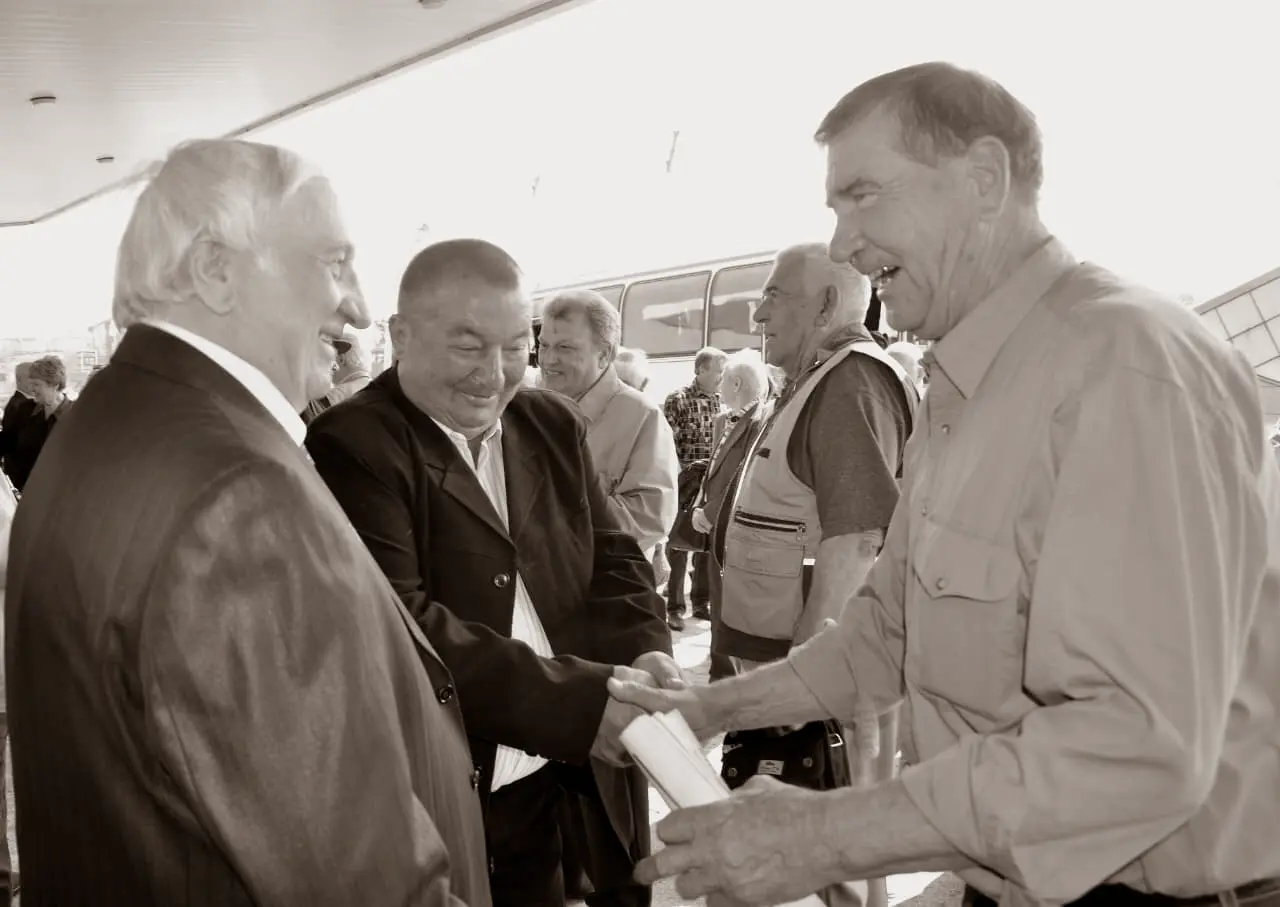
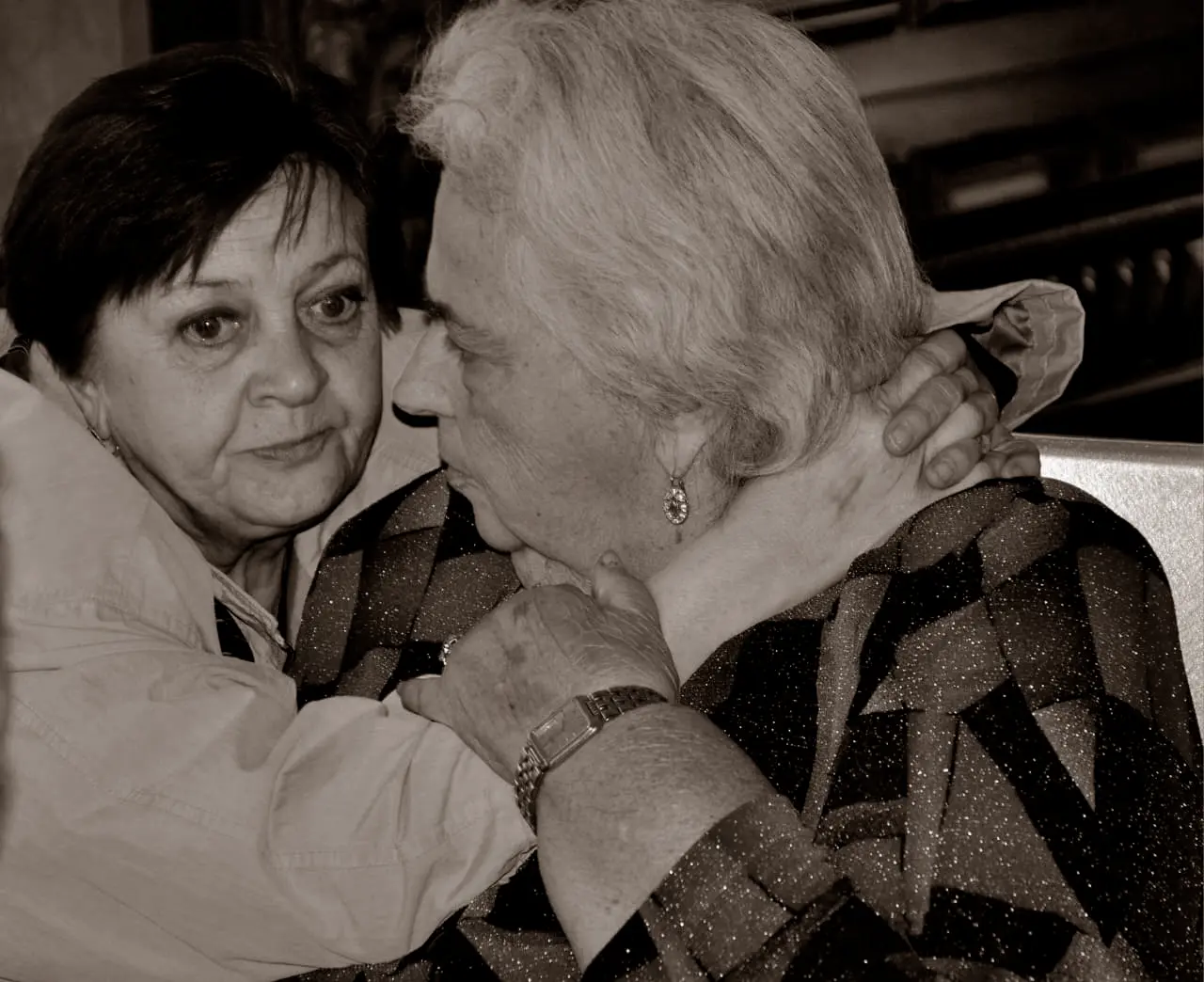
Some had not seen one another for twenty or even thirty years. They looked closely at familiar faces, trying to recognize old friends beneath the wrinkles and grey hair. They embraced warmly and for a long time. Some cried openly, unashamed of their tears.
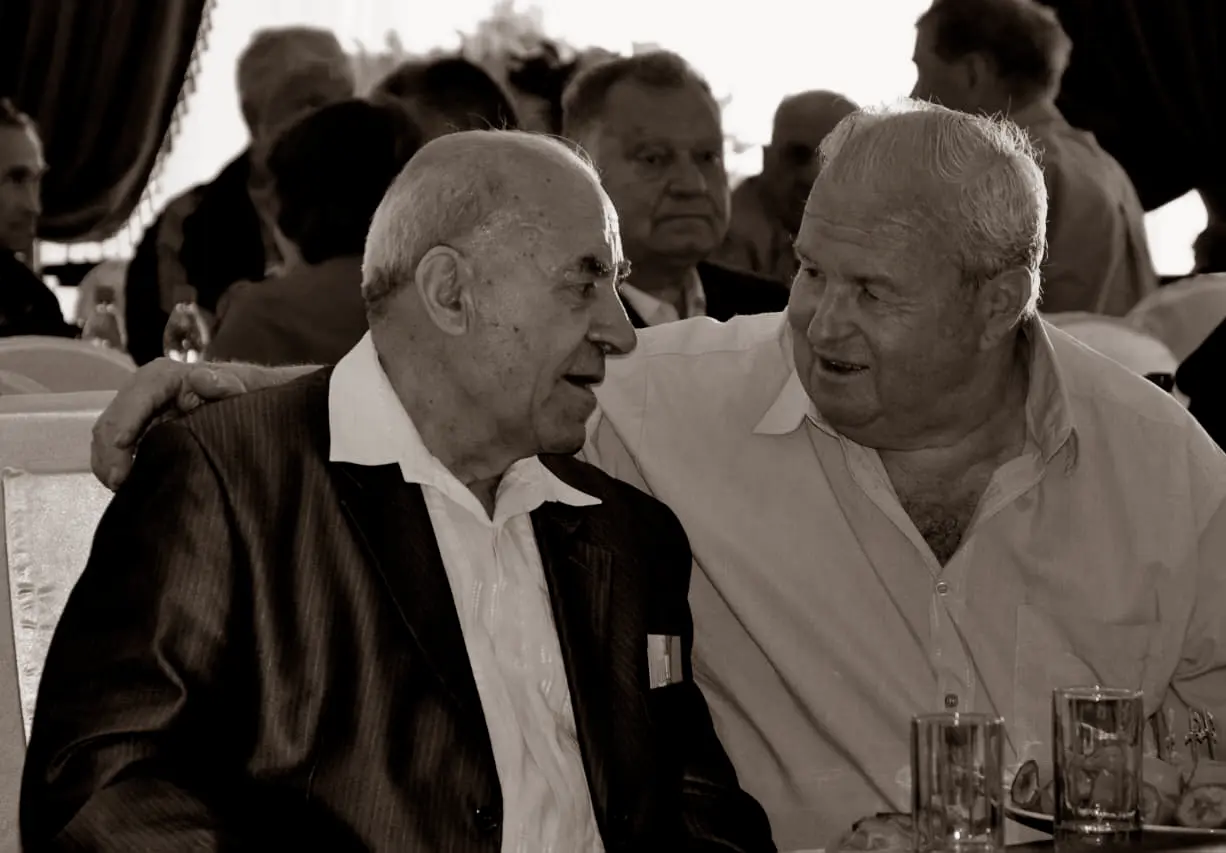
They sat together by crews and stevedore teams, recalling vessels such as "Yalta" and "Pyongyang", production records, night shifts, the reconstruction of Grocery Quay and the Grain Harbour, and the youth that could never be brought back—but could, at least for one evening, be felt again in the company of old comrades. At some point it became clear that they had not come to listen to official speeches.
They had come to breathe in the air of their youth. The youth that remained forever between the berths, in the sound of tugboat horns, the smell of fuel oil, wet mooring lines, and the calls announcing the start of another port shift.
After that gathering, everyone shared the same desire: to live long enough to meet again. And then again.
The photograph was taken as a keepsake—large, beautiful, and genuine.
No one knew then that it would become the only one. A year later, military conflict would erupt in eastern Ukraine, and time itself would be divided forever into “before” and “after”. Yet the photograph remains. A living memory of the people alongside whom the Port of Odesa lived, breathed, and grew.