Many bear the title of Duke, but only one is the Duke. How Richelieu shaped the future of the Port of Odesa
As part of the “Incredible Port” project
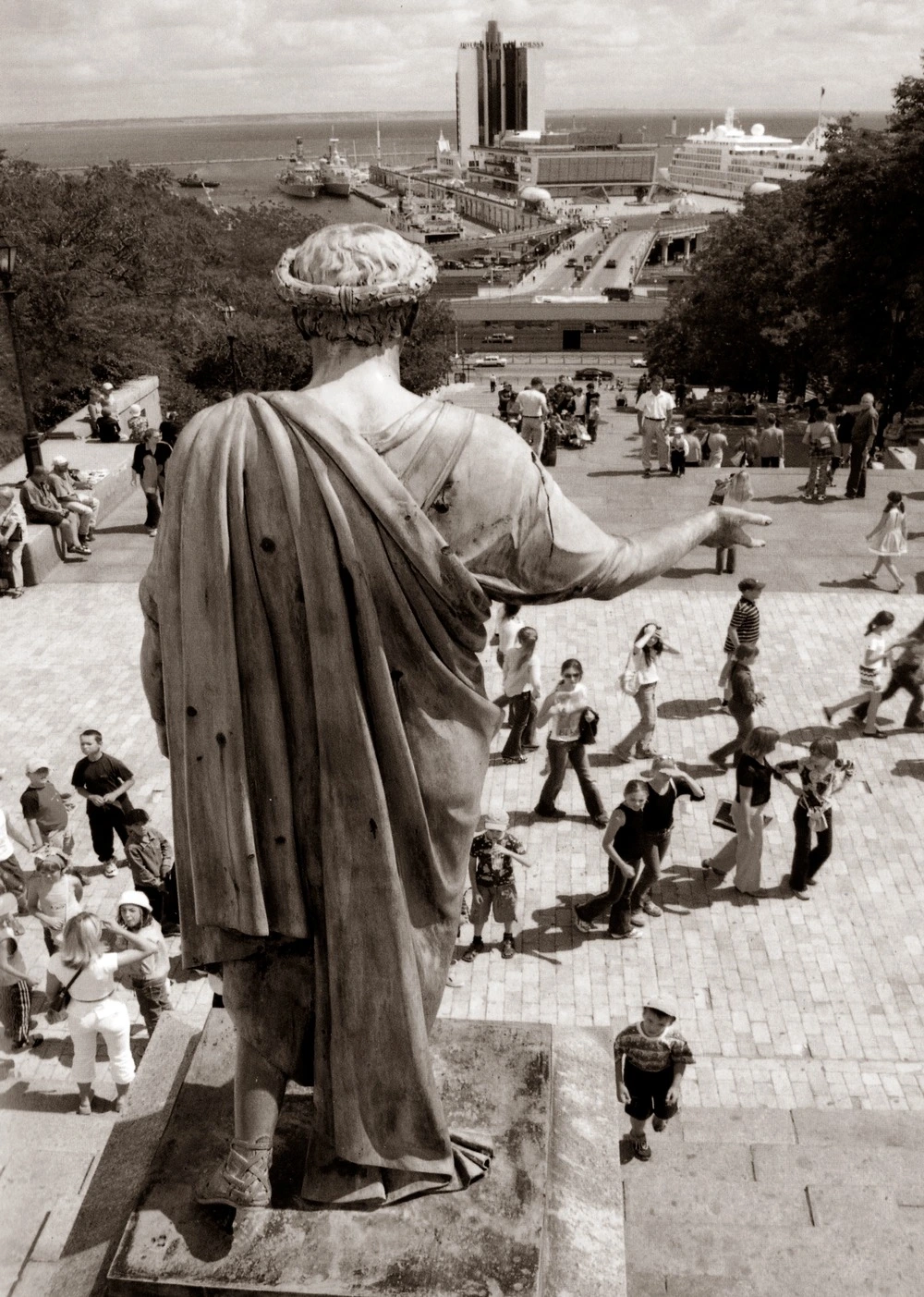
Everyone who has ever visited Odesa has seen the Duke Monument. Standing above the sea for nearly two centuries, it seems as though he is still gazing toward the horizon from which ships once arrived. That is symbolic, because the life's work of Armand-Emmanuel du Plessis, Duke of Richelieu, was not only the development of a young city but also the creation of the conditions that allowed a great seaport to emerge.
At the beginning of the nineteenth century, Odesa was a small yet promising city on the Black Sea coast. Its port already existed, but it had not yet become the major commercial harbour that would later gain worldwide recognition. While most administrators focused on immediate concerns, Richelieu looked far ahead.
He clearly understood that Odesa's future would be decided not in government offices or public squares, but on its quays. That is why he succeeded in ensuring that a significant share of customs and port revenues remained in the city. These funds were invested in developing the harbour, roads, warehouses, commercial infrastructure, and everything necessary to expand maritime trade.
In effect, Duke Richelieu built an entire economic system around the port. Commercial courts, insurance companies, financial institutions, and educational establishments for training specialists in trade were established. Today, this would be called a modern economic ecosystem; at the time, it was a breakthrough for the entire Black Sea region.
Odesa's history has seen many reformers, but Duke Richelieu was the first to understand that for a port to become truly great, it needed freedom—freedom of trade, freedom of the movement of goods, and freedom for entrepreneurship. The idea of porto franco grew directly from this vision. It was ahead of its time and turned Odesa into one of Europe's most successful economic projects of the nineteenth century. Richelieu was among the first to advocate establishing a free-trade regime here, opening new opportunities for the port and attracting merchants from many countries. This strategy laid the foundations for the city's and the harbour's remarkable future growth.
However, even the finest port cannot exist without cargo. Richelieu understood this perfectly. He therefore encouraged the development of the surrounding lands and trade connections, allowing Odesa to become the principal maritime gateway for grain exports. Through the Port of Odesa, agricultural products from vast farming regions reached international markets.
The results soon became evident. At the beginning of the century, hundreds of ships called at the port each year. Within only a few years, that number had more than tripled. Trade turnover expanded at an extraordinary pace, and Odesa's name was increasingly heard in Europe's commercial circles.
The port became a magnet for the world. Merchants, entrepreneurs, seafarers, and diplomats came to the city. Consulates of numerous countries were established, major trade agreements were concluded, and new economic opportunities emerged. Odesa gradually developed into one of the leading centres of international trade on the Black Sea.
In just ten years, the city achieved what today would be described as an economic miracle. Revenues increased many times over, the population quadrupled, and the port became one of Europe's most important commercial hubs.
Contemporaries described Richelieu as a man of exceptional integrity and unwavering dedication. He possessed influence and authority but used them not for personal gain, but for the benefit of the city and its port. His guiding principles were work, improvement, and progress.
More than two centuries have passed. States, borders, technologies, and even the port's quays have changed. Yet Duke Richelieu's principal lesson remains just as relevant today: a strong port does not begin with concrete, cranes, or warehouses. It begins with a vision for the future.
Today, the Port of Odesa remains not only one of Ukraine's key seaports but also the city's calling card, its symbol, and the heart that sets the rhythm of life in Odesa. For more than two centuries, the port has shaped the city's character—open to the world, entrepreneurial, multicultural, and free in spirit. Times may change, but one truth remains constant: Odesa was born by the sea, grew thanks to its port, and continues to connect its future with it.
History has proven one thing: Many bear the title of Duke, but only one is the Duke.